

Safety in public restrooms is a critical concern for seniors, people with disabilities, and parents with young children. Slippery floors and tight spaces increase the risk of accidents. Grab Bars are essential fixtures that provide support, improve accessibility, and create safer environments in commercial and public facilities.
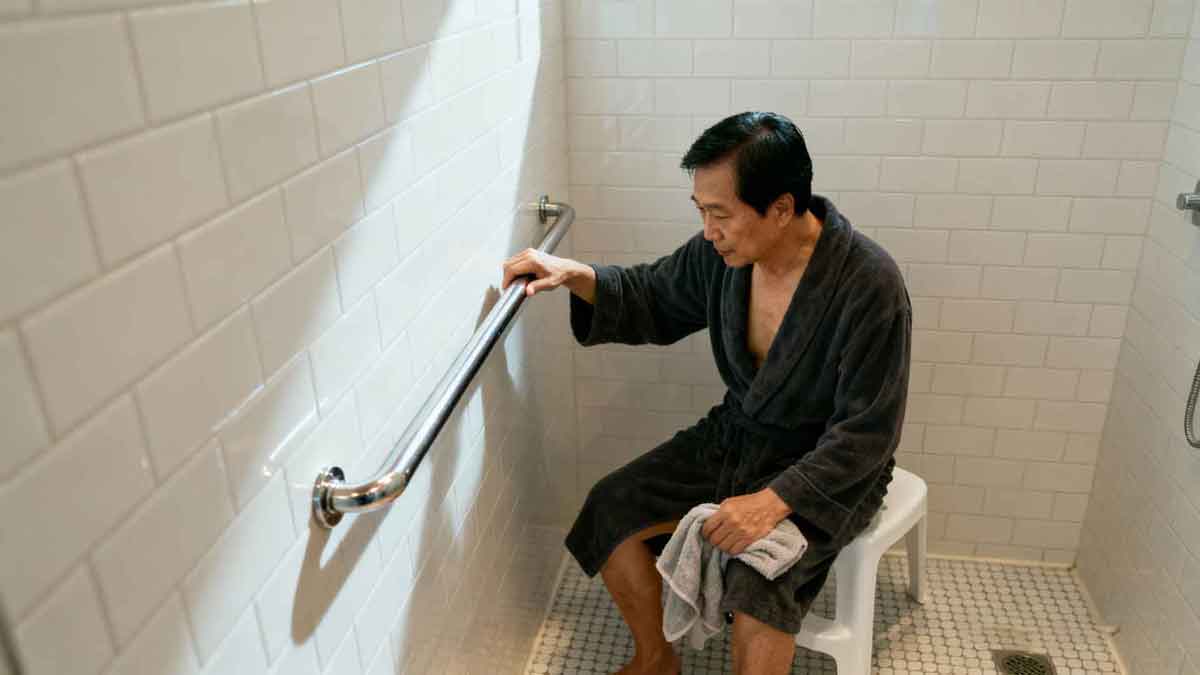
Why Grab Bars Are Necessary in Public Restrooms
Public restrooms experience heavy traffic and diverse users, which increases the risk of slips and falls. Installing Grab Bars helps:
-
Seniors and people with mobility challenges navigate stalls and sinks safely
-
Parents support children while using restroom facilities
-
Reduce accidents that could lead to injuries and liability claims
Grab Bars promote confidence and independence for all visitors.
Types of Grab Bars for Public Facilities
Different restroom layouts require specific Grab Bar designs:
-
Horizontal bars along walls for balance in stalls or near sinks
-
Vertical bars at entrances or near toilet seats for leverage
-
L-shaped or corner bars providing multiple points of support
-
ADA-compliant designs to meet accessibility standards
Choosing the right type ensures maximum safety and regulatory compliance.
Durable Materials for High-Traffic Areas
Public facilities demand Grab Bars that can withstand heavy usage:
-
Stainless steel for strength and corrosion resistance
-
Powder-coated finishes for durability and easy cleaning
-
Textured grips to prevent slipping even in wet conditions
Durable materials maintain safety and reduce long-term maintenance costs.
Installation and Maintenance Best Practices
Proper installation is critical to effectiveness:
-
Anchor bars securely into structural supports or reinforced walls
-
Ensure appropriate height and spacing for diverse users
-
Conduct regular inspections to check for looseness, wear, or damage
Well-maintained Grab Bars reflect a commitment to accessibility and safety.
Conclusion: Promoting Safe Public Spaces with Grab Bars
Grab Bars are essential for public restrooms and commercial facilities, ensuring safety, accessibility, and confidence for all users. By selecting durable materials, appropriate designs, and performing regular maintenance, facility managers can create inclusive spaces that protect visitors and support independent mobility.