

Creating a safer bathroom environment is one of the most important steps in supporting seniors and individuals with limited mobility. Among all bathroom safety products, the shower chair stands out as an essential tool that enhances comfort, confidence, and independence. While it may appear simple, a well-designed shower chair can dramatically improve daily living and reduce the risk of accidents. This article explores how shower chairs support users physically and emotionally, and why they have become a standard feature in modern accessible homes.
A Safer Way to Shower in a High-Risk Environment
The bathroom is widely recognized as one of the most hazardous areas in any home. Wet tiles, soap residue, and limited space contribute to a high risk of slipping. For seniors or individuals with mobility issues, standing on a slippery surface can lead to severe falls. A shower chair immediately minimizes this danger by providing a secure, stable place to sit. This reduces the need for balancing on one foot, reaching for items, or turning awkwardly—all common causes of accidents. With a stable seating surface, users can shower comfortably without the fear of falling.
Reducing Physical Strain and Fatigue
Bathing may appear effortless for a healthy adult, but for seniors or individuals with chronic pain, the act of standing for even a short period can be exhausting. A shower chair eliminates unnecessary physical strain by allowing the user to rest throughout the bathing process.
Tasks such as washing hair, cleaning legs, or handling a showerhead become significantly easier when performed from a seated position. By reducing fatigue, a shower chair improves endurance and makes the entire bathing experience smoother and safer. This is especially beneficial for users with arthritis, respiratory issues, or lower-body weakness.
Promoting Independence and Emotional Well-Being
Independence is a critical factor in maintaining dignity and emotional stability. Many seniors struggle with the idea of relying on others for personal hygiene. A shower chair helps restore autonomy by enabling the user to bathe independently or with minimal assistance.
This independence boosts confidence and reduces feelings of helplessness. For many individuals, the ability to shower on their own—without rushing or feeling unstable—restores a sense of normalcy and personal control. The emotional benefits of this independence are just as important as the physical ones.
Enhancing Comfort and Stability with Ergonomic Design
Modern shower chairs are designed with comfort and usability as core priorities. Ergonomic seats allow for proper weight distribution, while contoured surfaces reduce pressure points.
Many models feature backrests and armrests that help users maintain good posture and provide additional support when sitting down or standing up.
Other comfort-focused features include:
-
Textured, non-slip seats
-
Rounded edges to prevent skin irritation
-
Drainage holes to keep water from pooling
-
Wide seating surfaces for improved stability
These details ensure that the user can relax and feel secure during their shower.
Beneficial for Caregivers and Home Healthcare Providers
Shower chairs not only benefit the user—they also support caregivers. Bathing someone who cannot stand securely requires significant physical effort and can lead to caregiver injuries.
A shower chair reduces the need for lifting, supporting body weight, or maintaining balance for the user. Caregivers can focus on assisting with tasks rather than preventing falls. This makes the process safer, faster, and more comfortable for both parties. For professional home healthcare providers, shower chairs are essential equipment that improves efficiency and reduces the risk of workplace injuries.
Supporting Rehabilitation After Injury or Surgery
Individuals recovering from surgery—such as joint replacements, fractures, or spinal procedures—often face restrictions that prevent them from standing or bending.
A shower chair provides the stability needed to shower safely while following recovery guidelines. It allows users to bathe regularly without putting stress on healing tissues or risking reinjury.
Physical therapists often recommend shower chairs as part of a rehabilitation plan because they reduce complications and promote safe, consistent hygiene practices.
Available in a Variety of Styles for Different Needs
Shower chairs come in multiple styles, each designed for specific needs. Basic models offer a simple seat without a backrest, suitable for users with relatively good balance.
Chairs with backrests and armrests provide additional support for individuals who require more stability.
Some advanced designs include:
-
Swivel seats for easy entry
-
Foldable frames for small bathrooms
-
Extra-wide or bariatric models for higher weight capacity
-
Padded seats for enhanced comfort
-
Tool-free height adjustment
This variety ensures that every user—from mildly impaired to fully dependent—can find a model that suits their needs.
Easy Maintenance and Long-Term Durability
A good shower chair is built to withstand daily exposure to water, soap, and humidity. Materials such as rust-proof aluminum, stainless steel, and medical-grade plastics ensure long-term durability.
Smooth, non-porous surfaces make cleaning quick and simple, helping maintain hygiene and prevent mold or mildew.
With proper care, a high-quality shower chair can last for years, making it a cost-effective investment for both home and healthcare facilities.
Integrating a Shower Chair Into an Accessible Bathroom
A shower chair becomes even more effective when integrated into a complete accessibility plan.
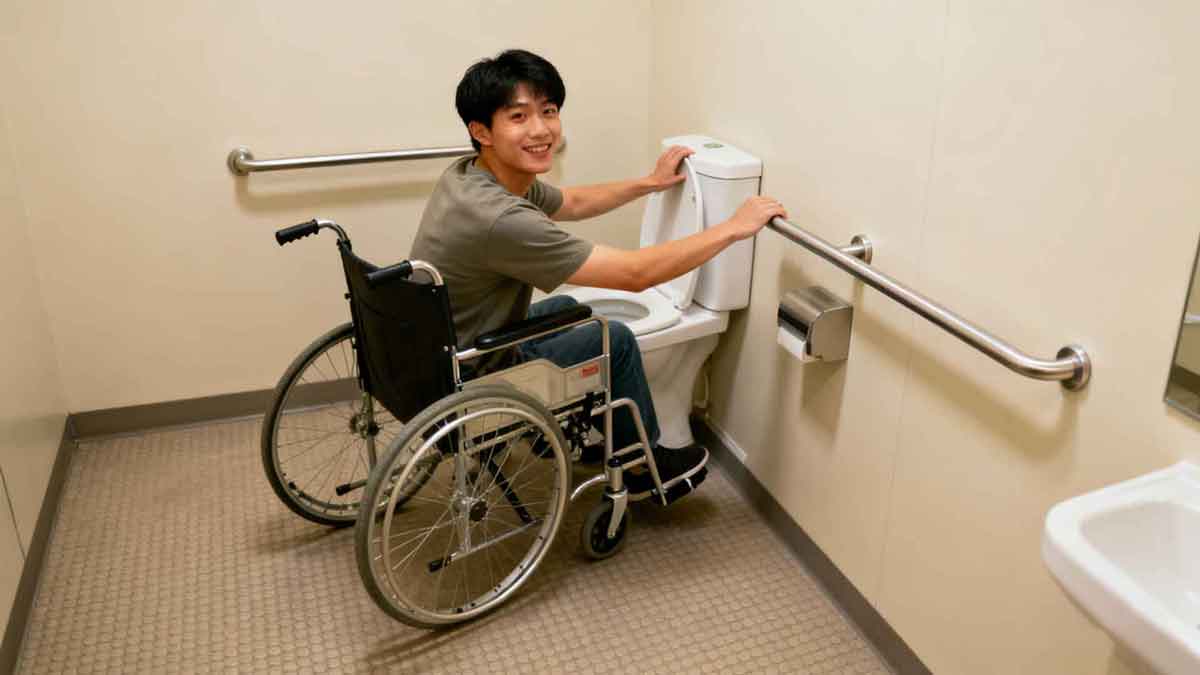
Pairing it with grab bars, non-slip flooring, and a handheld showerhead creates a safe and easy-to-use bathing environment.
Such combinations promote stability and allow the user to maintain control throughout the bathing process.
For families planning long-term eldercare or individuals wishing to age in place, an accessible bathroom setup centered around a high-quality shower chair is an essential step.
Conclusion
Shower chairs play a vital role in enhancing safety, comfort, and independence for seniors and mobility-impaired individuals. With ergonomic designs, durable materials, and stability-focused features, they provide a reliable solution for navigating one of the most dangerous areas in the home. Whether used for daily convenience, post-surgery recovery, or long-term mobility support, a shower chair can significantly improve quality of life. As an affordable and practical tool, it remains one of the most important investments for creating a safer and more accessible bathroom.