

Introduction
Bathroom safety is a major concern for seniors, disabled individuals, and anyone with limited mobility. Bathing can become challenging due to slippery surfaces, reduced balance, muscle weakness, or recovery from surgery.
To reduce the risk of falls and improve comfort, many families and healthcare providers choose bathing aids such as shower chairs and bath seats. While these products may appear similar, they are designed for different needs and bathroom environments.
In this guide, we compare shower chairs and bath seats to help you determine which option provides the best senior bathing safety solution.
Understanding Shower Chairs
A shower chair is a freestanding seating device designed for use inside a shower area.
Most shower chairs feature:
- Four stable legs
- Adjustable height settings
- Anti-slip rubber feet
- Drainage holes in the seat
- Lightweight yet durable frames
Shower chairs are specifically designed to provide stability and comfort during showering.
Common Users of Shower Chairs
Shower chairs are often recommended for:
- Elderly individuals
- Disabled users
- Post-surgery patients
- Individuals with balance issues
- People recovering from injuries
Because they provide full support while seated, shower chairs are among the most popular bathroom mobility aids available today.
Understanding Bath Seats
A bath seat is designed primarily for use inside a bathtub.
Unlike shower chairs, bath seats are usually:
- Smaller in size
- Positioned inside the tub
- Intended for limited seating support
Some bath seats rest directly on the bathtub floor, while others attach to the sides of the tub.
Common Users of Bath Seats
Bath seats are suitable for:
- Users with mild mobility limitations
- Individuals who still retain good balance
- People seeking temporary support while bathing
While bath seats can improve comfort, they generally provide less stability than a full shower chair.
Key Differences Between Shower Chairs and Bath Seats
Stability
Shower Chair
A shower chair typically offers greater stability due to its four-legged design and wider base.
Benefits include:
- Enhanced balance support
- Reduced fall risks
- Better weight distribution
Bath Seat
A bath seat generally provides less support because it occupies a smaller footprint and may rely on the bathtub structure.
Winner: Shower Chair
For seniors with mobility challenges, shower chairs offer superior stability.
Comfort
Shower Chair
Most shower chairs feature:
- Larger seating surfaces
- Adjustable height
- Optional armrests
- Optional backrests
These features improve comfort during longer bathing sessions.
Bath Seat
Bath seats are usually more compact and may lack back support.
Winner: Shower Chair
For everyday use, shower chairs typically provide a more comfortable experience.
Safety
Safety is the most important consideration when selecting bathing equipment.
Shower Chair
A shower chair provides:
- Stable support
- Better posture control
- Lower risk of slipping
When combined with grab bars, it creates a highly secure bathing environment.
Bath Seat
Bath seats can be effective for users with minor mobility issues but may not provide sufficient support for individuals with significant balance concerns.
Winner: Shower Chair
For senior bathing safety, shower chairs generally provide the highest level of protection.
Space Requirements
Shower Chair
Because of their larger footprint, shower chairs require adequate shower space.
Walk-in showers typically accommodate shower chairs without difficulty.
Bath Seat
Bath seats are more compact and can fit inside smaller bathtubs.
Winner: Bath Seat
For bathrooms with limited space, bath seats may be more practical.
Ease of Use
Shower Chair
Users can simply sit down and remain stable throughout the bathing process.
Many models are lightweight and easy to reposition.
Bath Seat
Entering and exiting the bathtub may still require significant movement and balance.
Winner: Shower Chair
Shower chairs generally offer greater ease of use for elderly individuals.
Durability
Both products are commonly manufactured using:
- Aluminum frames
- Plastic seats
- Corrosion-resistant materials
However, commercial-grade shower chairs are often designed for frequent daily use in hospitals and nursing homes.
Winner: Shower Chair
Heavy-duty shower chairs typically provide longer service life.
Which Product Is Best for Seniors?
Choose a Shower Chair If:
- The user has limited mobility
- Balance issues are present
- Fall prevention is a priority
- Daily assistance is required
- Long-term use is expected
A shower chair for elderly users is often the safest and most practical solution.
Choose a Bath Seat If:
- Mobility limitations are minor
- The user can enter and exit the bathtub independently
- Bathroom space is limited
- Temporary support is needed
Bath seats can be a cost-effective option for individuals with fewer mobility concerns.
Creating a Safer Bathroom Environment
Whether you choose a shower chair or a bath seat, additional bathroom safety products can further reduce risks.
Recommended solutions include:
Grab Bars
Provide stable hand support when entering and exiting bathing areas.
Non-Slip Flooring
Reduces slipping hazards on wet surfaces.
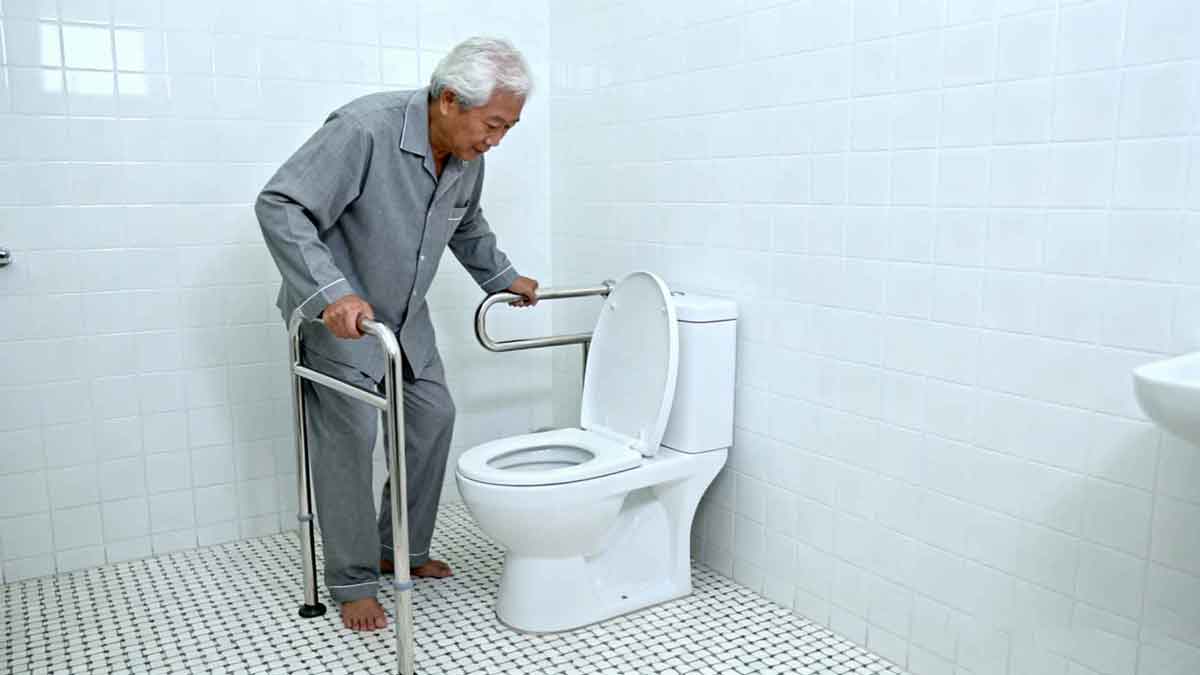
Toilet Assist Stands
Improve stability during toilet transfers.
Commode Chairs
Offer additional support for users with advanced mobility needs.
Combining multiple bathroom mobility aids creates a more comprehensive safety system.
Considerations for Healthcare Facilities
Hospitals, rehabilitation centers, and nursing homes often prefer shower chairs because they:
- Support a wider range of patients
- Improve caregiver efficiency
- Meet accessibility requirements
- Offer greater long-term durability
For commercial projects, selecting products from an experienced shower chair manufacturer can help ensure consistent quality and compliance with safety standards.
Conclusion
When comparing a shower chair vs. bath seat, both products provide valuable support, but they serve different user needs.
For most seniors and individuals with mobility limitations, a shower chair offers better stability, comfort, and safety. Bath seats may be suitable for users with mild mobility challenges or limited bathroom space, but they generally provide less support.
Ultimately, the best choice depends on the user's physical condition, bathroom layout, and safety requirements. By selecting the right bathing aid and combining it with other bathroom safety products, families can create a safer and more accessible environment that promotes independence and confidence.